
Guest Reviewer

Our guest reviewer this month is: Mrs Jedamzik
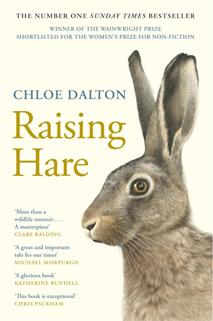
Book Title: Raising Hare
Author: Chloe Dalton
I came across Raising Hare by Chloe Dalton when I was looking for a book that felt very different to my usual non-fiction academic analysis on maths, law, politics or economics. Unlike many of the books I usually read, this is a true story rooted in the natural world. From the very first pages, it becomes clear that this is not a book about action or drama, but about quiet observation, patience, and learning to understand something entirely outside of human control; most probably something that I (and many others) may find a little uncomfortable.
The book tells the story of Chloe’s unexpected encounter with a newborn hare and her decision to care for it, despite knowing that hares are wild animals that should not be domesticated. As the hare grows, Chloe documents its behaviour in careful detail, charting its routines and responses while trying not to interfere more than absolutely necessary. The narrative follows the passing seasons, grounding the story firmly in the countryside and giving the reader a strong sense of place and indeed the natural process of a wild baby animal growing up. Alongside the practical challenges of raising the hare, Chloe reflects on wider ideas about nature, conservation, and the ways in which humans often misunderstand wildlife. Much of the reflection in the book comes not from events, but from uncertainty: whether the hare will survive, whether it can ever return fully to the wild, and whether human involvement ultimately helps or harms. The writing is clear and no nonsense (which I like) but very easily and quickly drawing you in, encouraging the reader to slow down and notice details that are usually overlooked.
 What do I think about the book?
What I appreciated most about Raising Hare was its realism. I’ve seen a few wild hares in my lifetime but very rarely indeed which really drew me into this story as hares are somewhat mythical creatures due to their apparent invisibility and fear of being seen. Chloe does not exaggerate her role or sentimentalise the experience too much; instead, she writes with honesty and very clear observation. The book made me reflect on how rarely we truly observe the natural world in our busy lives, even when we believe we care about it, which I most certainly feel I do. I found the balance between emotional attachment to animals and clear-eyed realism particularly impactful, and by the end of the book I felt both moved and challenged in my thinking about mine as well as all our responsibility towards the wildlife that surrounds us, however small and often hidden from us.
Who would enjoy this book?
This book would suit readers who enjoy non-fiction, memoirs, or nature writing, especially those who prefer thoughtful reflection over fast-paced storytelling. It would appeal to anyone interested in wildlife, rural life, or environmental issues, as well as readers who enjoy books that leave space for quiet consideration. Raising Hare is not a book to rush through, but one to read slowly and thoughtfully as it encourages you to reflect on your impact in the world and what you can and possibly could do to change things for the better moving forward. I’m not saying go out and adopt a baby hare and try to raise it but maybe, as spring time approaches, just become more aware of how nature, even on our lovely Hazelwick campus, changes and how you can have a positive impact on this small piece of environment and encourage your friends to do the same.